White Coffee Mug Mockup, Mug Model: A Designer's Review
As someone who spends hours hunched over an embroidery hoop or staring at a digitizing screen, I have learned to be skeptical of digital assets that promise the world but deliver flat, lifeless results. When I first encountered the White Coffee Mug Mockup, Mug Model, my initial reaction wasn't just about the image itself, but how it could serve as a critical tool in my workflow for presenting finished embroidery projects. In the realm of Graphics and specifically within the Mugs Amp category, finding a mockup that feels authentic rather than sterile is rare. This isn't just a placeholder; it is a staged environment that allows us to visualize how our machine embroidery design work will translate to a tangible, sellable product.
The Visual Personality and First Impressions
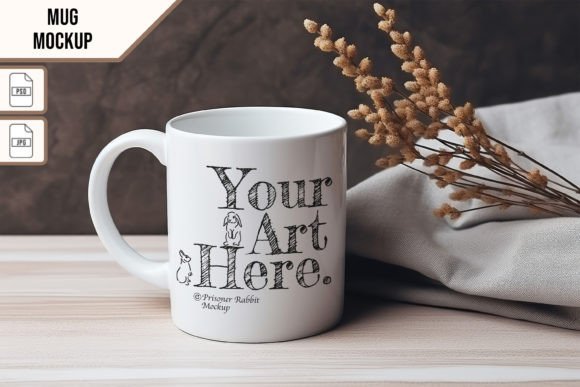
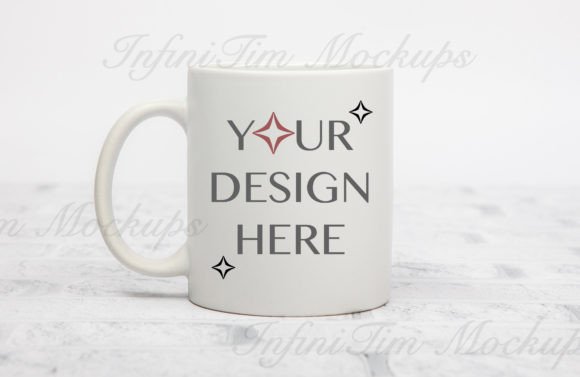
The first thing that strikes me about this mockup is its clean, minimalist aesthetic. It avoids the cluttered backgrounds that often distract from the main subject. The lighting is soft yet directional enough to show the curvature of the ceramic, which is crucial when you are trying to sell a personalized gift or a piece of custom apparel branding. For an embroidery designer, the "canvas" matters just as much as the stitch. If you are creating a logo for a local coffee shop or a witty phrase for a boutique, placing that design on a generic, poorly lit cup can kill the sale before it starts. This mockup provides a neutral, professional stage where your thread colors and stitch types—whether it's a glossy satin stitch or a textured fill stitch—can shine without competing with background noise.
The mood here is inviting and warm, perfect for lifestyle branding. It suggests a morning routine, a cozy break, or a thoughtful gesture. When I imagine applying a digitized file to this surface, I immediately think of high-contrast designs. A simple line art running stitch or a bold block lettering style would pop beautifully against the white ceramic. It creates a sense of clarity that tells the customer, "This is a premium item."
Real-World Application: From Screen to Stitch
Let's talk about a real scenario. Imagine you are preparing a holiday collection for your Etsy shop. You have spent days digitizing a festive snowflake pattern and testing it on various fabrics. Now, you need to present this not just as a patch, but as part of a broader gift set. Perhaps you are offering a "Cozy Morning Kit" that includes an embroidered tea towel and a matching mug. Using the White Coffee Mug Mockup, Mug Model, you can composite your embroidery photo onto the cup to show the complete package.
This approach elevates your handmade product presentation. Instead of showing a raw photo of a hoop on a table, you show the finished vision. Customers buy the lifestyle, not just the thread. If you are selling embroidered patches, this mockup allows you to demonstrate how that patch could be ironed onto a tote bag that sits next to this coffee mug, creating a cohesive brand story. It helps buyers visualize the scale and utility of your work. For small shop products, this kind of visual consistency builds trust. It signals that you care about the details, from the stitch density in your design to the way you market the final result.
Furthermore, for those of us branching into sublimation or heat transfer vinyl alongside our stitching, this asset is invaluable. It serves as a bridge between different crafting disciplines. You can test how a dense embroidery logo looks compared to a printed graphic on the same vessel, helping you decide which technique offers better durability and visual appeal for your specific client needs.
Technical Considerations and Fabric Realities
While this mockup is a digital tool, it forces us to think about physical realities. When adapting a design intended for fabric to a hard surface like a mug (via transfers or decals) or simply using the mockup to sell the embroidery that accompanies it, we must consider limitations. If you are planning to embroider directly on a mug sleeve or a cozy that wraps around this cup, remember that curved surfaces challenge standard hoop size constraints.
In actual embroidery work on textiles that might accompany this mug, such as a kitchen towel or an apron, you need to be mindful of fabric texture. Terry cloth or waffle weave requires different stabilization than the smooth cotton of a tote bag. If your design has tiny lettering or intricate corners, those details can get lost on textured fabrics. Always test your embroidery file on scrap fabric first. Check your thread colors against both light and dark backgrounds. A design that looks crisp on this white mockup might vanish on a navy blue sweatshirt if the contrast isn't managed correctly.
Also, consider the washability. Products like tea towels and aprons face frequent laundering. High stitch density can make a garment stiff or cause puckering over time. When reviewing your design for commercial use, ensure that your underlay is sufficient and that your stabilizer choice matches the fabric weight. This mockup reminds us that the end product must be functional, not just pretty.
Enhancing Brand Value and Customer Trust
The ultimate goal of any craft business is to build a recognizable brand. Consistency in your imagery is key. By using a high-quality asset like the White Coffee Mug Mockup, Mug Model, you create a signature look for your social media posts and product listings. This professionalism translates to higher perceived value. A customer is more likely to pay a premium for a baby embroidery set or a wedding gift if the presentation looks polished and deliberate.
It also aids in buyer engagement. When people can clearly see what they are buying, hesitation decreases. Whether you are selling a digital embroidery file for others to use or a finished finished product, clear visuals reduce returns and increase satisfaction. It shows that you understand the context in which your item will be used.
Practical Notes for Designers
Before you finalize your project or list it for sale, keep these practical steps in mind:
- Test on Scraps: Never run a new design on your final garment without a test stitch-out to check tension and registration.
- Check Licensing: Ensure you have the right to use the mockup for commercial purposes if you are selling the resulting images as part of your marketing.
- Contrast is King: Verify that your thread choices stand out against the fabric color you intend to use.
- Stabilizer Selection: Match your stabilizer to the fabric stretch and weight to prevent distortion.
- Detail Inspection: Zoom in on small elements of your design; if they look muddy in the mockup, they will likely be worse in real life.
- Versatility Check: Consider if the design works for both personal gifts and larger commercial runs.
In conclusion, the White Coffee Mug Mockup, Mug Model is more than just a pretty picture; it is a strategic asset for the modern maker. It bridges the gap between the digital precision of our embroidery files and the tactile reality of the products we create. By using it thoughtfully, respecting the technical limits of our machines and materials, and focusing on the end-user experience, we can elevate our work from simple crafts to desirable commercial goods. Whether you are an Etsy seller looking to refresh your shop banner or a professional decorator pitching to a corporate client, this tool helps you tell a clearer, more compelling story about your craft.