Review: Book Cover Mockup Valentine Mockup 26 for Embroidery
As a designer who spends more time threading needles than browsing catalogs, I approach every new digital embroidery file with a healthy dose of skepticism. We have all seen those gorgeous previews that turn into a tangled mess of thread breaks and puckering once they hit the fabric. That is why I took a close look at Book Cover Mockup Valentine Mockup 26. While the product listing categorizes it under Graphics and highlights its utility as a printable mockup for showcasing illustrations or SVG cut files, my interest lies in its potential as a foundational element for a tangible embroidery project. Can this visual asset translate into a stitch-ready reality for a small shop product? Let's dig into the practicalities.
First Impressions: Mood and Visual Personality
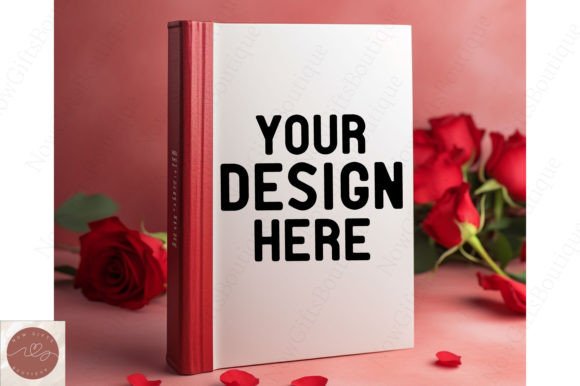
The first thing that strikes me about Book Cover Mockup Valentine Mockup 26 is its inherent warmth. Even as a static graphic intended for display, the composition screams "handmade." The layout suggests a classic, perhaps slightly vintage aesthetic that aligns perfectly with the Valentine S Day theme without being overly cliché. For an embroidery designer, this mood is crucial. It tells me immediately that this design belongs on natural fibers like linen, cotton canvas, or heavy-weight fleece rather than synthetic performance wear.
The shape and theme suggest a narrative quality. If I were to digitize this or use it as a reference for an applique design, the visual personality leans towards storytelling. It feels like something you would find on a cherished journal or a limited-edition boutique tote. The level of detail appears moderate, which is a good sign. Overly complex graphics often fail in embroidery because they require impossible stitch density to reproduce accurately. This design seems to have enough breathing room to allow for clean satin stitch borders and smooth fill stitch areas without becoming a solid block of thread.
Real-World Application: From Screen to Stitch
To truly evaluate Book Cover Mockup Valentine Mockup 26, I imagined a specific real-life scenario: a custom order for a local bookstore looking for branded merchandise for their Valentine's promotion. They wanted a tote bag design that felt literary yet romantic. This is where the mockup shines as a conceptual tool. Before committing to a single stitch, I can visualize how the artwork would sit on a cream-colored canvas bag.
If adapted into a machine embroidery design, this graphic would excel on items with substantial surface area. Think sweatshirt embroidery for a cozy seasonal drop or a decorative pillow cover for home decor. The composition is balanced enough to serve as a central chest logo on a hoodie or a large back patch on a denim jacket. For Etsy sellers and craft business owners, the versatility here is key. You aren't just selling a stitched image; you are selling a vibe. A finished product featuring this motif could easily pass as a high-end boutique item, increasing perceived value and customer trust.
However, we must be realistic about the transition from a printable mockup to a stitched finished product. The original description mentions using this to show watercolors or drawings. In embroidery, we lose the subtle gradients of watercolor unless we employ advanced blending techniques or extensive color changes. Therefore, when planning the embroidery file, one must simplify the color palette. I would recommend sticking to three or four distinct thread colors to maintain clarity. Trying to replicate every shade in the mockup will result in excessive trim times and a stiff finished product.
Navigating Fabric and Hoop Challenges
Every designer knows that the fabric dictates the success of the stitch. With a design inspired by Book Cover Mockup Valentine Mockup 26, fabric texture plays a massive role. On a smooth, tight-weave cotton, the details will pop. However, if you attempt this on a textured towel or a fuzzy fleece, those finer lines might get lost. This is where testing on scrap fabric is non-negotiable. Never skip the test run, especially if you are aiming for commercial consistency.
There are also limitations regarding size and placement. If you are working with a standard 4x4 hoop, you might need to scale the design down significantly, which risks losing the integrity of any small text or intricate corners. For baby embroidery projects, such as a onesie or a burp cloth, the design might need to be simplified further to avoid a scratchy feel against sensitive skin. Dense stitching on stretchy fabrics is a recipe for distortion; always use a high-quality cut-away stabilizer for knits to prevent the design from warping after washing.
Curved surfaces present another hurdle. While this graphic looks stunning flat on a book cover visualization, applying it to a cap requires careful consideration of the curvature. The center of the design might stitch out fine, but the edges could pull or pucker if the digitizing isn't adjusted for the curve. For holiday embroidery gifts like aprons or tea towels, ensure the design is oriented correctly relative to the hem or edge of the item.
Enhancing Brand Value and Customer Engagement
In the world of custom apparel and personalized gifts, presentation is everything. Using a cohesive visual asset like Book Cover Mockup Valentine Mockup 26 helps build brand recognition. If an Etsy seller uses this motif across various products—patches, pillows, and bags—it creates a unified collection that looks professional and thoughtfully curated. This consistency builds buyer engagement. Customers are more likely to trust a handmade product that looks like it belongs to a established brand rather than a random assortment of designs.
Furthermore, the "book cover" aesthetic taps into a niche market of readers and intellectuals. By positioning your small shop product within this niche, you differentiate yourself from generic Valentine's merchandise. The design assets provided in the mockup package can be used to create compelling marketing images even before the physical items are stitched. Showing a digital preview of how the embroidered patch will look on a leather journal cover can drive pre-orders and generate excitement.
Practical Notes for the Professional Maker
Before you rush to digitize or purchase the corresponding stitch file for Book Cover Mockup Valentine Mockup 26, keep these practical tips in mind:
- Check Licensing: Since this is marketed as a graphic mockup, verify if the license allows for commercial use of the derived embroidery. Some graphic licenses prohibit converting the art into physical goods for sale.
- Contrast is King: Review the design in black and white. If the elements blend together without color, they will likely blend together in thread. Ensure there is enough contrast between the satin stitch outlines and the fill stitch backgrounds.
- Stabilizer Selection: For heavier items like tote bags, a tear-away stabilizer might suffice. For stretchy garments or items that will be washed frequently, invest in a premium cut-away stabilizer to support the stitch count over time.
- Thread Matching: Don't rely solely on the screen colors. Pull physical spools to see how the sheen of rayon or polyester thread interacts with your chosen fabric texture.
- Digitizing Strategy: If you are creating the digital embroidery file yourself, pay attention to pull compensation. Large fill areas can cause fabric to draw in, distorting the rectangular "book" shape.
Ultimately, Book Cover Mockup Valentine Mockup 26 offers a charming foundation for creative entrepreneurs. It bridges the gap between digital presentation and tactile creation. Whether you are making a personalized gift for a loved one or expanding your commercial embroidery catalog, this design invites you to slow down and focus on quality. Just remember, the magic isn't just in the download; it's in how you adapt that vision to the needle, the thread, and the fabric.