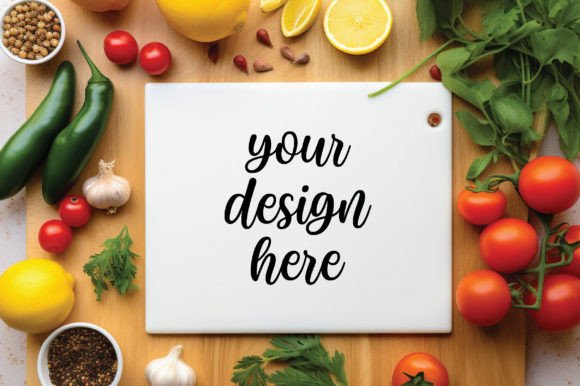
Kitchen Cutting Board Mockup Vol 45: A Designer's Review
As someone who spends hours digitizing patterns and stitching out samples for clients, I approach every new design asset with a critical eye. It is not enough for a file to look good on a screen; it must translate beautifully into thread and fabric. Recently, I evaluated Kitchen Cutting Board Mockup Vol 45 to see if it holds up for real-world embroidery projects. While this item is technically categorized under Kitchenware and Graphics, its utility extends far beyond simple digital display for those of us creating tangible goods.
First Impressions and Visual Personality
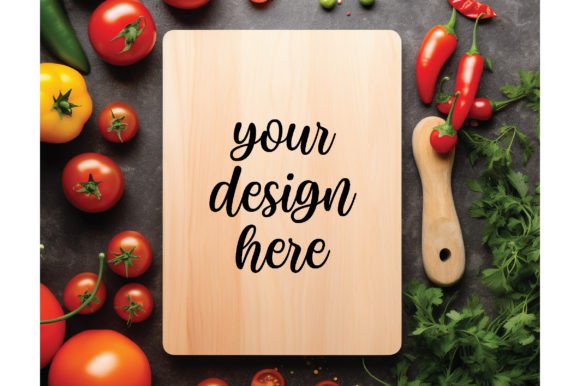
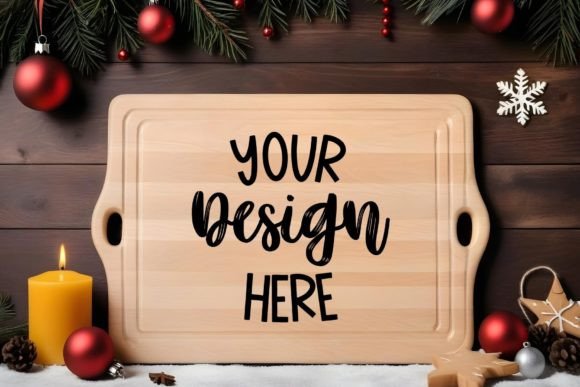
When I first opened the files for Kitchen Cutting Board Mockup Vol 45, the immediate impression was one of clean, functional aesthetics. The layout suggests a design that respects the natural grain and shape of a wooden board, which is crucial when adapting graphics for physical products. For an embroidery designer, this visual personality translates well into stitch planning. The shapes are distinct, avoiding overly complex gradients that often turn into muddy messes when converted from a watercolor or drawing into a machine embroidery design.
The mood created by this mockup is warm and inviting, perfect for home-centric items. It feels less like a generic stock image and more like a curated element ready for customization. Whether you are working on a personalized gift for a wedding or creating branding for a boutique kitchen shop, the underlying structure of Vol 45 provides a solid foundation. It handles illustrations and SVG cut files with grace, meaning the negative space is well-considered—a vital trait when dealing with stitch density and fabric coverage.
Real-World Application in Custom Apparel and Home Goods
To truly test the viability of Kitchen Cutting Board Mockup Vol 45, I imagined a specific client scenario: a local bakery owner needing branded aprons and tote bags for her staff. She wanted something that looked artisanal but professional. Using the themes present in this mockup, I could easily envision adapting the graphic into an applique design for a heavy canvas tote bag design. The bold lines would work exceptionally well with a satin stitch border, giving the bag a high-end, finished look that elevates the brand.
Beyond apparel, this graphic shines in the realm of home decor. Imagine a set of linen tea towels or a cotton pillow cover featuring a simplified version of this cutting board theme. For an Etsy seller specializing in housewarming gifts, this asset offers a versatile starting point. The design's clarity ensures that even when scaled down for a pocket on a chef's coat or enlarged for a wall hanging, the integrity of the image remains. It bridges the gap between a printable mockup used for listings and the actual finished product handed to a customer.
For those running a craft business, consistency is key. Using Kitchen Cutting Board Mockup Vol 45 as a reference for your digital storefront while producing matching custom apparel or embroidered patches creates a cohesive brand identity. Customers trust shops where the preview matches the reality. If your listing shows a crisp, well-composed image derived from this mockup, and the stitched item delivers that same quality, you build immediate customer trust.
Navigating Fabric Textures and Stitching Challenges
However, no design is without its challenges, and practical judgment is required before hitting the start button on your machine. When working with Kitchen Cutting Board Mockup Vol 45 on textured fabrics like waffle weave towels or thick terrycloth aprons, one must be cautious. Detailed corners and tiny lettering, if present in your adaptation of the graphic, can get lost in the pile of the fabric. In these cases, switching to a bolder fill stitch or increasing the size of the design is necessary to maintain stitching clarity.
Stretchy fabrics also demand attention. If you plan to use this design on a fitted t-shirt or a baby onesie for baby embroidery, the stability of the background material is paramount. A design that looks static on a screen can distort when the fabric stretches. I always recommend testing the design on scrap fabric of the same weight and texture as your final project. This step confirms whether your chosen stabilizer is sufficient to prevent puckering, especially if the design area is dense.
Dark fabrics present another consideration. Since this mockup is often used to showcase light-colored illustrations or watercolors, translating this to a black navy sweatshirt requires careful selection of thread colors. You may need to add an underlay or a backing fabric to ensure the colors pop and do not blend into the garment. For curved surfaces like caps, the flat nature of a cutting board graphic might need adjustment to fit the panel curvature without warping the visual proportions.
Enhancing Product Value and Professionalism
The ultimate goal of using a high-quality asset like Kitchen Cutting Board Mockup Vol 45 is to enhance the perceived value of your handmade product. In a saturated market, professionalism sets you apart. A well-executed embroidery project based on a strong graphic foundation signals to the buyer that care was taken in every step, from digitization to the final stitch. This attention to detail justifies higher price points and encourages repeat business.
Furthermore, the versatility of this graphic supports various seasonal campaigns. With slight color changes, it can become part of a holiday embroidery collection for Thanksgiving or Christmas gifts. The ability to adapt a single core design across multiple products—aprons, oven mitts, wall art—allows small shop owners to maximize their inventory without designing everything from scratch. It streamlines the creative process, allowing you to focus on production and marketing.
Practical Notes for Designers and Makers
Before integrating Kitchen Cutting Board Mockup Vol 45 into your commercial workflow, keep these practical tips in mind:
- Test First: Always stitch a sample on scrap fabric to check tension and registration.
- Check Contrast: Ensure your thread choices provide enough contrast against the fabric background for the design to be legible.
- Review Density: If adapting the graphic yourself, monitor stitch density to avoid stiff, cardboard-like results on soft fabrics.
- Verify Hoop Size: Confirm that the scaled design fits within your available hoop size without needing excessive re-hooping.
- Inspect Details: Zoom in on small elements to ensure they are large enough to stitch cleanly without breaking threads.
- Light and Dark Tests: Visualize or mock up the design on both light and dark backgrounds to anticipate visibility issues.
- Stabilizer Selection: Match your stabilizer type (cut-away, tear-away, wash-away) to the fabric weight and stretch.
- Licensing Check: Since specific license terms were not detailed in the product description, explicitly confirm whether the file allows for commercial use of finished items or digital derivatives before selling.
In conclusion, Kitchen Cutting Board Mockup Vol 45 is a robust tool for the modern creator. It serves as both a presentation aid and a source of inspiration for tangible goods. By understanding its strengths and respecting the limitations of embroidery mechanics, you can leverage this graphic to create stunning, market-ready items that resonate with customers. Whether you are a hobbyist making gifts or a seasoned pro managing a catalog, this asset deserves a spot in your toolkit.